Demos
Demos  Colors
 Docs
Docs  Support



Correctional Facilities
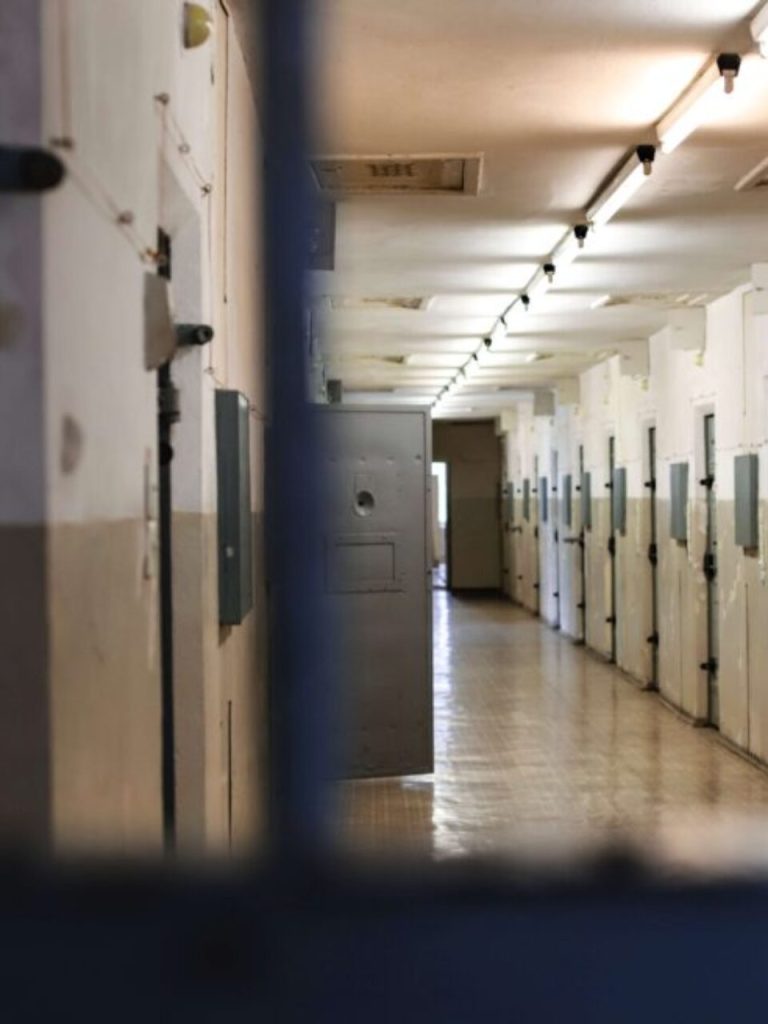
A correctional facility, also known as a prison or jail, is an institution where individuals are held as a result of being convicted of criminal offenses or while awaiting trial. These facilities are part of the criminal justice system and serve multiple purposes, including punishment, deterrence, rehabilitation, and ensuring public safety.
Key features of correctional facilities include:
- Secure confinement to prevent escape and protect the public.
- Housing units or cells where inmates live.
- Various security levels (minimum, medium, maximum, and supermax) depending on the severity of the offenses and the risk posed by the inmates.
- Provision of basic needs such as food, clothing, and medical care.
- Programs aimed at rehabilitation, including educational, vocational, and therapeutic services.
- Work opportunities for inmates, both within the facility and in the community under certain conditions.
- Strict rules and regulations governing inmate behavior and facility operations.
- Supervision by correctional officers and other staff.
Correctional facilities can vary in size and function, ranging from local jails for short-term confinement to state and federal prisons for longer sentences. Some specialized correctional facilities may also exist, such as juvenile detention centers for minors or psychiatric correctional facilities for inmates with severe mental health issues.